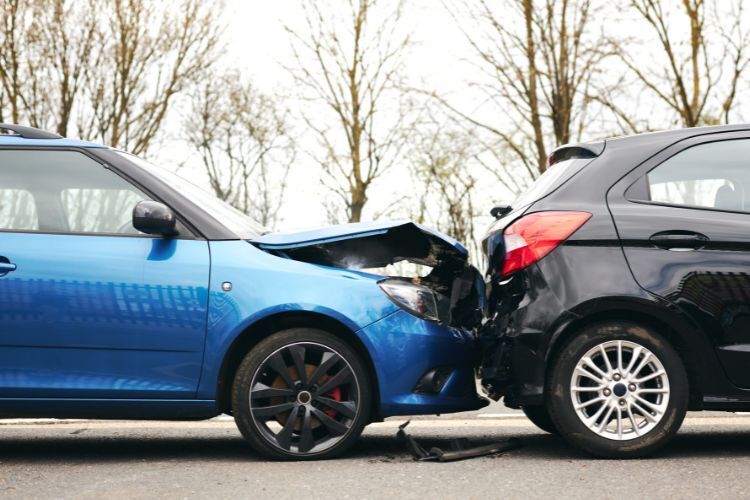
A car accident can leave more than dents in your bumper. Even a low-speed collision can jolt your muscles, joints, and nervous system in ways that aren't obvious right away. Many people walk away from a crash feeling fine, only to wake up the next morning with stiff shoulders, a sore neck, or a dull ache that won't go away. If that sounds familiar, massage therapy after a car accident can be one of the most effective steps in your recovery, and in British Columbia, it's often covered through your ICBC claim.
At Soma Burnaby, we see this pattern often. Patients come in weeks or even months after their accident, still dealing with tension, restricted movement, or pain that never fully resolved. The good news is that it's rarely too late to start feeling better, and a structured treatment plan with a registered massage therapist can make a real difference.
Why Accidents Cause Pain That Shows Up Later
When your body absorbs the force of a collision, your muscles brace involuntarily to protect your spine and joints. This sudden contraction, combined with the impact itself, can strain soft tissue, irritate nerves, and throw off your posture. Whiplash is the most common example. It happens when your head snaps forward and back faster than your neck muscles can control, straining the ligaments and muscles that support your cervical spine.
The tricky part is that adrenaline and inflammation can mask symptoms in the first 24 to 48 hours. Swelling builds gradually, and what feels like minor stiffness on day one can turn into significant pain by day three or four. This delayed onset is exactly why early assessment matters, even if you feel okay right after the crash.
How Massage Therapy Supports the Healing Process
Registered massage therapists use hands-on techniques to address the physical aftermath of a collision in a few key ways.
Reducing muscle tension and guarding. After an accident, muscles around the injured area often stay tight as a protective response. This guarding can restrict blood flow and slow healing. Targeted massage techniques help release that tension so tissue can begin to repair itself.
Improving circulation to injured tissue. Better blood flow brings oxygen and nutrients to strained muscles and ligaments, which supports faster tissue repair and helps flush out inflammatory byproducts that contribute to soreness.
Restoring range of motion. Scar tissue and adhesions can form as soft tissue heals, sometimes limiting how far you can turn your neck or lift your arm. Massage therapy helps break up these restrictions gradually, so mobility returns without forcing movement before the tissue is ready.
Managing pain without relying solely on medication. Many patients want an active alternative or complement to pain medication. Consistent massage therapy sessions can meaningfully reduce reliance on pills for day-to-day discomfort, particularly for chronic tension that lingers after the initial injury has stabilized.
What to Expect at Your First Appointment
If you've never had massage therapy for an accident-related injury before, the first visit looks a little different from a relaxation massage. Your therapist will start by asking how the accident happened, where you feel pain or stiffness, and whether you've noticed any numbness, tingling, or weakness. This context matters, since the mechanism of injury often points to which tissues were affected.
From there, your therapist will typically check your posture and range of motion before doing any hands-on work. This assessment becomes a baseline they compare against at future visits, so you can both see whether things are actually improving. Early sessions are usually gentler, focused on calming irritated tissue rather than deep work right away, and your therapist may offer simple guidance on sleep positions or posture between visits.
If you're working with ICBC, your therapist can also help document your symptoms and progress, so you're not stuck explaining your recovery in medical terms on your own.
What a Recovery-Focused Treatment Plan Looks Like
No two accidents cause the same injuries, which is why a cookie-cutter approach rarely works. A thoughtful recovery plan usually starts with an assessment of your range of motion, pain patterns, and any areas of numbness or radiating pain, since these can point to nerve involvement that needs a coordinated approach with your doctor or physiotherapist.
From there, treatment often progresses in phases. Early sessions may focus on calming inflammation and easing muscle guarding. As healing progresses, techniques shift toward restoring mobility and addressing compensation patterns, since it's common for the body to overcorrect in other areas while protecting the injured one. Later sessions often target strength and function so you can return to normal activities with confidence rather than lingering caution.
This is where working with a clinic that understands both the clinical and the claims side of recovery helps. Soma Burnaby's approach to ICBC massage therapy is built around exactly this kind of personalized, phased treatment, so your care evolves as your body does.
Understanding ICBC Coverage for Massage Therapy
One of the most common questions after an accident is whether treatment will cost anything out of pocket. If you were injured in a crash in British Columbia, ICBC coverage for registered massage therapy is often available as part of your claim, meaning approved treatment comes at no direct cost to you.
Navigating the claims process while you're in pain is understandably frustrating. Having a clinic that handles direct billing and understands ICBC's documentation requirements takes one more burden off your plate, so you can focus on healing instead of paperwork.
Supporting Your Recovery Between Sessions
Massage therapy works best as part of a broader recovery routine, not a standalone fix. Gentle movement, like short walks or light stretching approved by your therapist, keeps circulation moving and prevents stiffness from settling into joints that are trying to heal. Staying hydrated helps too, since dehydrated muscles tend to feel tighter and more prone to cramping.
Sleep quality matters more than most people realize after an injury. Pain and disrupted sleep can feed into each other, so something as simple as a supportive pillow or a different sleep position can make a noticeable difference. Your therapist may also suggest specific stretches or heat and cold application, but it's worth checking with them first, since the right approach depends on your specific injury and stage of healing.
Signs You Shouldn't Wait to Book
Some symptoms are worth addressing sooner rather than later. If you notice persistent neck or back stiffness, headaches that started after the accident, numbness or tingling in your arms or legs, or pain that seems to be getting worse rather than better a week or two after the crash, it's worth having those symptoms assessed. Waiting too long can allow compensation patterns and chronic tension to set in, which often makes recovery take longer.
Even if your symptoms feel mild, an early assessment gives you a baseline and a plan, rather than guessing whether that shoulder tightness will resolve on its own.
Moving Forward After Your Accident
Recovering from a car accident is rarely a straight line, but it doesn't have to be something you manage alone or without support. Massage therapy offers a hands-on, evidence-informed way to reduce pain, rebuild mobility, and get back to your regular routine, and in most cases, it's a covered part of your ICBC claim rather than an added expense.
If you're dealing with lingering pain, stiffness, or tension after a collision, our team in Burnaby is here to help you build a recovery plan suited to your specific injury. Book your ICBC massage therapy appointment today and take the next step toward feeling like yourself again.